
Pelvic Floor Training for Men
Understanding the foundation of men's health, continence, sexual function, and overall wellness through evidence-based pelvic floor training protocols.
This editorial resource explores how targeted pelvic floor exercises can support men's physical performance, confidence, and quality of life at any age.
Key Features of Our Program
Anatomical Education
Learn the precise anatomy of the pelvic floor, including the pubococcygeus, ischiocavernosus, and bulbospongiosus muscles. Understanding these structures is fundamental to effective training and long-term success.
Progressive Training Protocol
Our evidence-based programme moves you from foundational awareness exercises through intermediate strengthening and into advanced endurance work. Each phase builds on the previous one for sustainable results.
Measurable Progress Tracking
Track your improvements through detailed progress logs, muscle endurance metrics, and functional assessments. Clear documentation helps you understand what's working and where to focus.
Mind-Body Integration
Pelvic floor work extends beyond physical exercise. Our programme incorporates breathwork, mindfulness, and relaxation techniques to address tension patterns and enhance neuromuscular control.
Flexible Scheduling
Access exercises and educational content on your own timeline. Sessions range from 10 to 30 minutes, fitting easily into daily routines whether you're at home, at work, or travelling.
Health & Safety Guidance
Comprehensive information on when to seek professional assessment, contraindications, and modifications for various health conditions. Your safety and informed consent are our priority.
What This Program Covers
Basic Anatomy & Function
Detailed explanations of pelvic floor muscle groups, their attachment points, neural innervation, and role in urinary continence, faecal continence, and sexual health.
Awareness & Activation Exercises
Learn to locate and consciously engage your pelvic floor muscles. Many men struggle with initial awareness, so our programme starts with foundational techniques and biofeedback strategies.
Strengthening & Endurance Work
Progressive routines that build muscle strength through sustained contractions, rapid-fire repetitions, and high-intensity intervals designed to improve functional capacity.
Relaxation & Release Techniques
Many men hold chronic tension in their pelvic floor. Our programme includes specific stretches, massage techniques, and breathing patterns to release tightness and restore balance.
Integration with Daily Life
Practical strategies for incorporating pelvic floor engagement into standing, sitting, walking, and during physical activity. Building automaticity ensures long-term compliance and benefit.
Sexual Function & Performance
Educational content on how pelvic floor strength relates to ejaculatory control, erectile rigidity, and pleasure. Honest, research-informed discussion appropriate for adult readers.
Age-Specific Considerations
Tailored guidance for young men, mid-life men, and older men. Addresses different motivations, recovery rates, and health contexts that shift across the lifespan.
When to Seek Professional Help
Clear information on red flags that warrant assessment by a pelvic floor physiotherapist or urologist. We emphasise that self-directed training is complementary, not a substitute for clinical care when needed.
The Energyritualpath Approach
Rooted in Evidence
Our programme draws from peer-reviewed research in urology, physiotherapy, and pelvic floor medicine. We synthesise findings from international pelvic health societies to offer you the most current, reliable information available.
Rather than making unsupported claims, we explain the mechanisms behind pelvic floor training so you understand the science. This empowers you to make informed decisions about your own health journey.
Our editorial team includes contributors with backgrounds in physiotherapy, urology, and sexual health—ensuring accuracy and professional standards throughout.
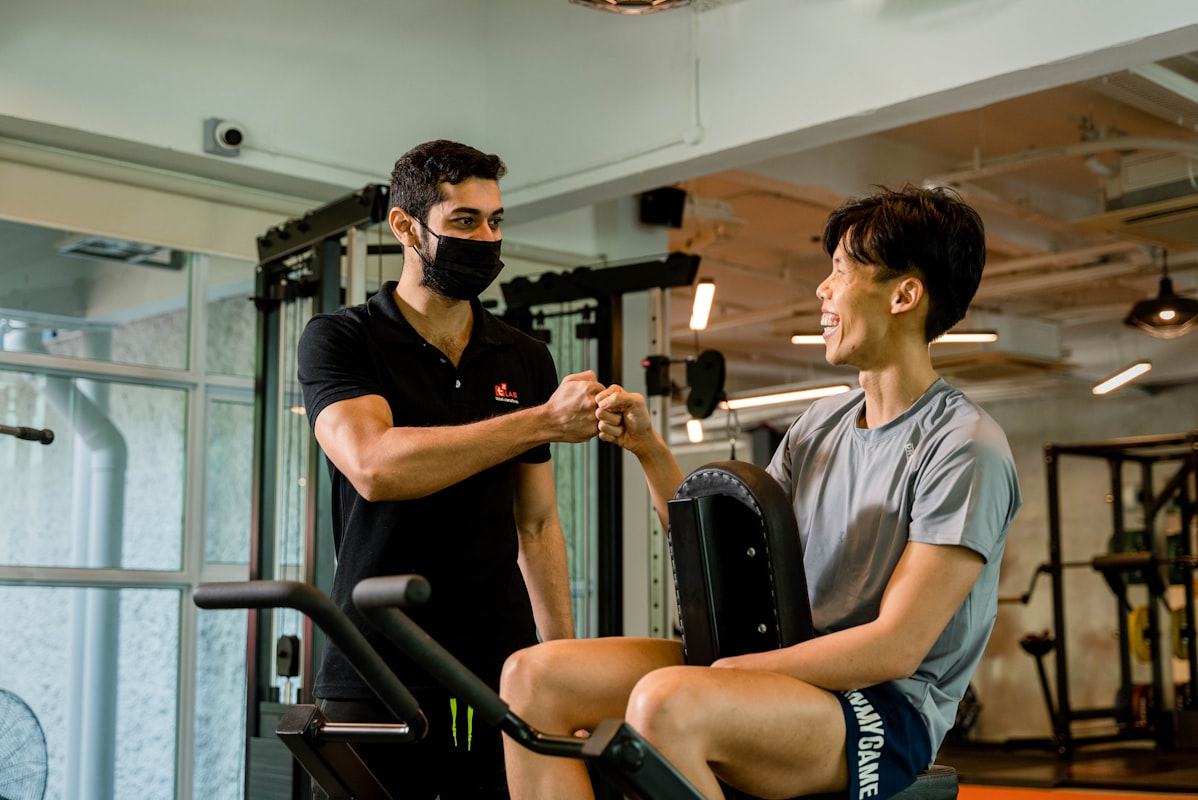
Your Training Journey: 5 Key Phases
Assessment & Awareness
Establish baseline understanding of your pelvic floor. Learn anatomy, identify your muscles, and understand current function through guided self-assessment and educational resources.
Activation & Control
Develop conscious activation ability. Practice isolating pelvic floor contractions from surrounding muscles, then coordinate with breathing and movement patterns.
Strengthening & Building Endurance
Progress through sustained holds, repeated contractions, and interval training designed to build muscle strength and fatigue resistance. Track your improvements week by week.
Functional Integration
Apply pelvic floor engagement during real-life activities—walking, sport, sitting at a desk. Build automaticity so strengthening translates into functional benefit during daily life.
Maintenance & Long-Term Success
Establish sustainable practices that maintain your gains. Learn which exercises to prioritise long-term and how to adjust intensity as your fitness and life circumstances change.
Ongoing Education
Continue learning through new articles, research updates, and advanced techniques. Stay informed about developments in pelvic floor science and men's health throughout your journey.
Comprehensive Resource Library
Educational Articles
Our editorial team produces in-depth articles covering anatomy, physiology, research findings, and practical applications. Topics span from foundational concepts to advanced considerations for men with specific health needs.
Browse Our ArticlesExercise Demonstrations
Step-by-step guidance on proper technique for each exercise, including common mistakes to avoid and modifications for different fitness levels. Clear instructions help you train safely and effectively from home.
View Exercise LibraryFrequently Asked Questions
Find clear answers to the questions men most commonly ask about pelvic floor training. Our FAQ section addresses misconceptions, provides safety information, and guides you to appropriate professional support when needed.
Read Our FAQGetting Started Guide
A comprehensive orientation to the Energyritualpath programme. Learn how to navigate our resources, understand expected timelines, and set realistic goals based on your starting point and personal objectives.
Start Your JourneyWhy Pelvic Floor Training Matters for Men
The pelvic floor is often overlooked in men's health discussions. Yet these muscles play a critical role in urinary and faecal continence, erectile function, ejaculatory control, and overall core stability. Weakness or dysfunction can develop for many reasons—from sedentary lifestyle and ageing to recovery from prostate surgery or chronic pelvic pain.
Research consistently demonstrates that targeted pelvic floor training can improve continence outcomes, enhance sexual function, reduce pelvic pain, and boost confidence. Unlike many health interventions, pelvic floor exercises are non-invasive, free or low-cost, and can be performed discreetly at home.
The challenge is that most men lack basic knowledge about their pelvic floor anatomy and function. Many are uncertain how to locate these muscles or whether they're performing exercises correctly. That's where Energyritualpath steps in—providing clear, evidence-based education that empowers you to take control of your own health.
Whether you're looking to improve continence, enhance sexual performance, strengthen your core, or simply understand your body better, our comprehensive resource library offers the information and guidance you need to succeed. Start exploring today and discover how pelvic floor training can support your long-term wellness.
Common Questions About Pelvic Floor Training
How long does it take to see results from pelvic floor training?
Results vary by individual and depend on your starting point, consistency, and specific goals. Some men notice early improvements in awareness within a few weeks. More substantial gains in strength and functional benefit typically appear within 6–12 weeks of regular practice. Long-term benefits—including sustained continence improvement and sexual function enhancement—often require ongoing commitment beyond the initial 3 months. Consistency matters more than duration; 10–15 minutes daily is typically more effective than sporadic longer sessions.